


Luka AI Cube at CES 2026: Turning Curiosity Into Learning
By VisitCES.com • CES 2026 • Kids Tech & AI Education
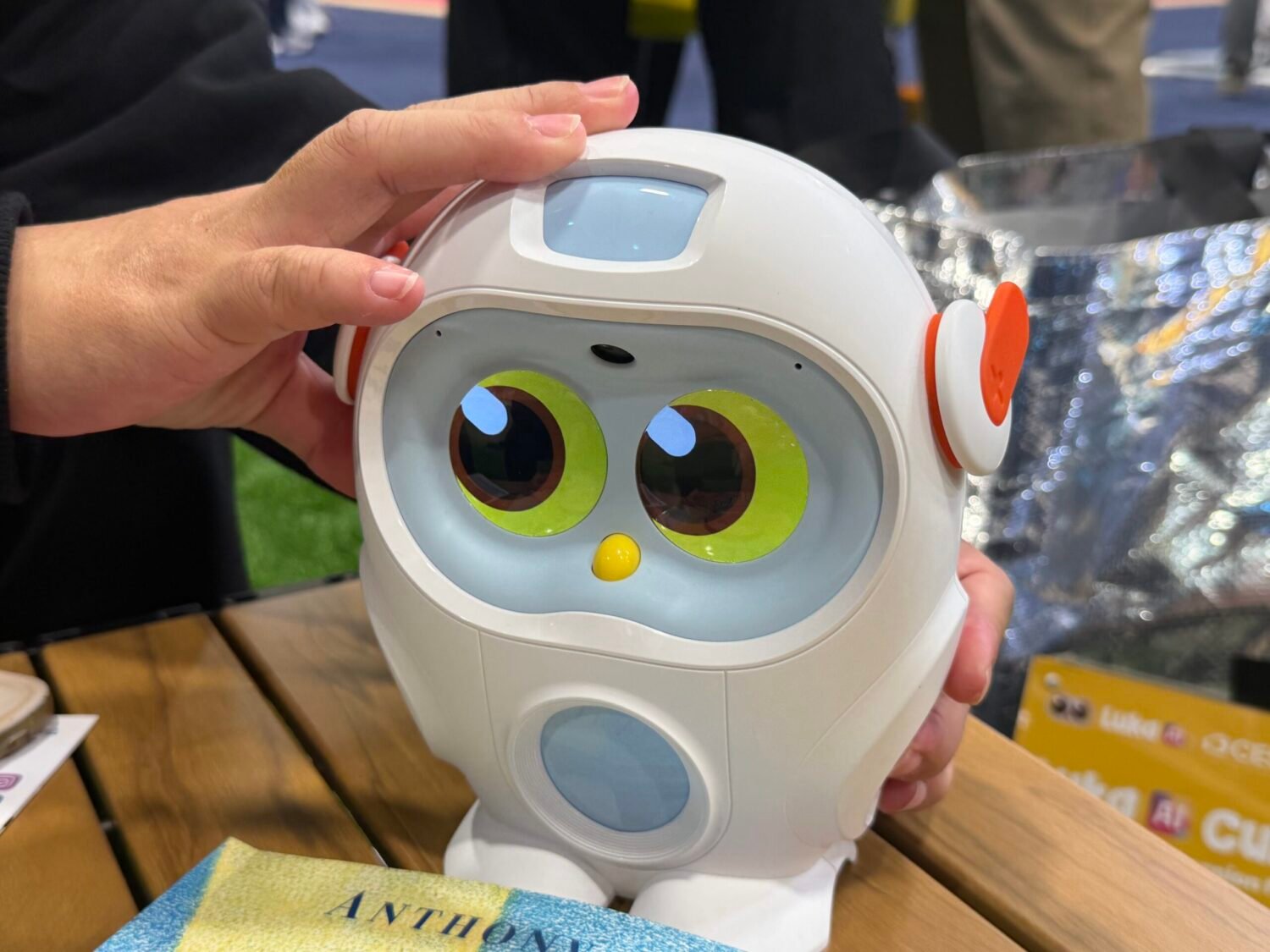
At CES 2026, one of the most approachable AI products for families wasn’t a headset, robot vacuum, or smart TV—it was a friendly, owl-like device built to help kids learn through exploration. Luka AI Cube stood out for a simple idea executed well: make AI feel playful, safe, and useful for everyday learning.
A friendly AI designed specifically for kids
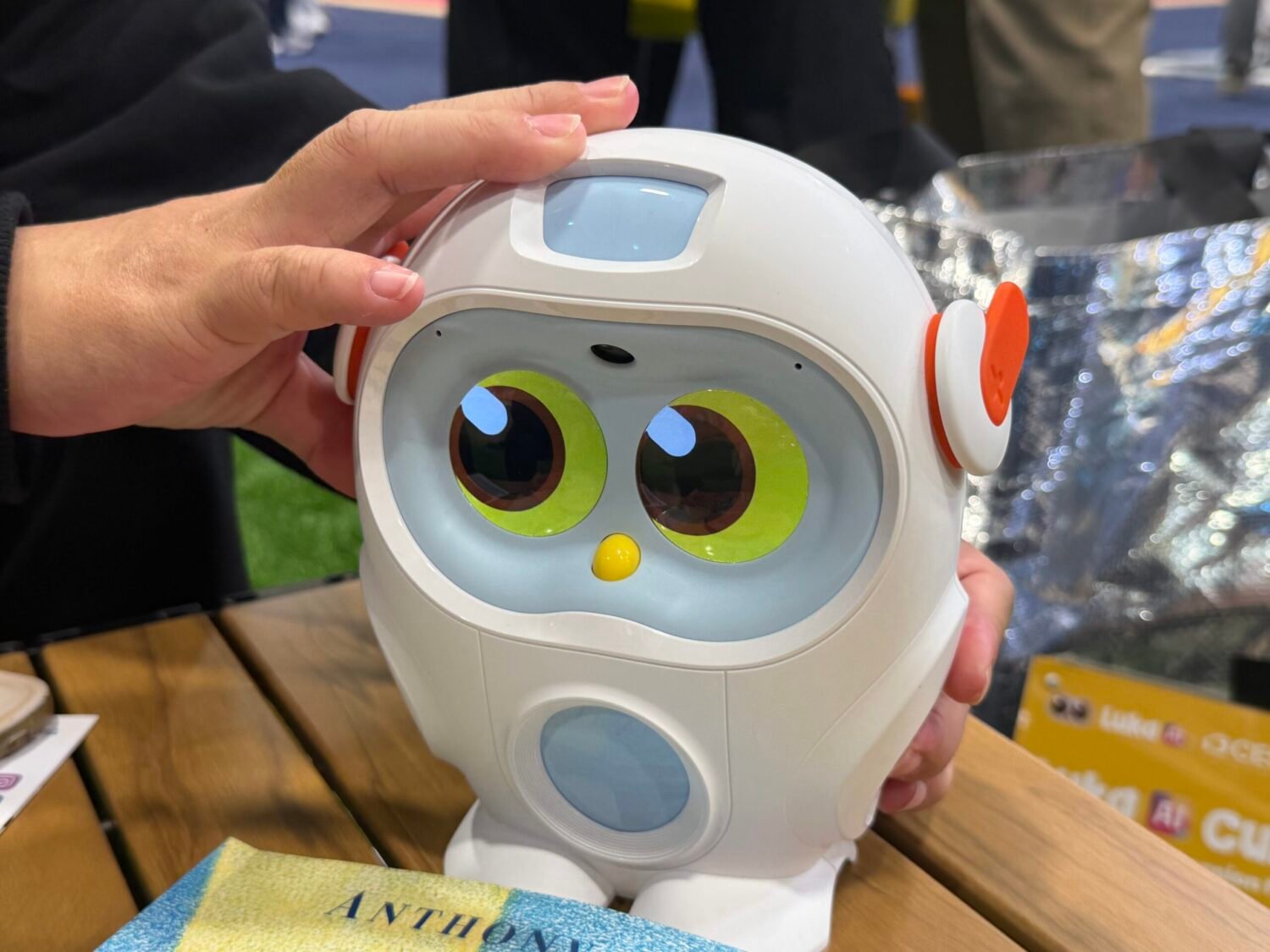
The first thing you notice about Luka AI Cube is its character-driven design—rounded edges, expressive eyes, and a calm presence that feels more like a companion than a gadget. That matters, because the product’s core promise isn’t “more screen time.” It’s more real-world curiosity.
Instead of pushing kids toward endless scrolling or app hopping, Luka encourages hands-on interaction: pick something up, point the device, ask a question, and learn in context.

“Snap it. Learn the story.” Object recognition meets storytelling
A headline feature on the show floor was Luka’s snap-to-learn flow: point the device at something interesting and get an age-appropriate explanation—often in the form of a story. The booth showcased categories like plants, animals, and artifacts, turning everyday visuals into learning moments.
- Plants: learn how they grow and why they’re important
- Animals: discover facts, habitats, and fun narratives
- Artifacts & art: get cultural context and backstories
In practice, this approach makes learning feel less like homework and more like a guided conversation. Luka doesn’t just name what it sees—it aims to explain why it matters.

A reading companion that feels like a calm, guided library
Luka also leaned heavily into reading at CES 2026. The device is positioned as a picture-book and story companion—reading aloud, guiding children through narratives, and prompting comprehension in a way that encourages participation.
What stood out in the demo:
- Story comprehension prompts (not just passive narration)
- Expressive voice and character reactions to keep kids engaged
- A calmer, screen-minimal experience compared with tablets
Multilingual, conversational, and built for real interaction
Luka AI Cube’s demos also highlighted multilingual capability and a conversational style that feels more natural than “command-based” assistants. The device aims to keep the interaction flowing—asking follow-up questions, suggesting next steps, and responding in a way that feels supportive rather than robotic.
For multilingual households, this direction is especially compelling: learning isn’t limited to a single language environment, and the device can potentially bridge reading, conversation, and discovery across languages.
Why Luka AI Cube mattered at CES 2026
CES 2026 was packed with AI claims, but Luka AI Cube stood out for focusing on a clear outcome: help kids learn through curiosity. It’s AI that encourages exploration, not endless scrolling—delivered in a physical form that makes the experience feel approachable.
Our takeaway:
Luka AI Cube doesn’t try to be “AI for everything.” It tries to be AI for the moments that matter— reading, discovery, and the kind of questions kids ask every day. At CES 2026, that focus made it one of the most interesting kid-friendly AI devices we saw on the floor.